
AI Social Listening Tools for Marketers: Convert Live Mentions into Actionable Strategy Reports in Under 30 Seconds
Fast-moving conversations on social media are full of signals marketers can use — product feedback, emerging trends, crisis alerts, and campaign opportunities. Advances in AI social listening now let teams transform live mentions into marketer-ready strategy reports in seconds. This guide breaks down how marketing teams, agencies, startups, eCommerce companies, service providers, and B2B firms can operationalize real-time social intelligence for measurable outcomes.
Why AI social listening matters now
Recent product launches in the social monitoring space highlight a shift: platforms move beyond raw feeds to automated, strategic outputs. Instead of sifting through thousands of mentions, teams can get concise, prioritized action plans almost instantly. That shortens decision cycles, reduces manual effort, and helps teams act when signals matter most.
Core capabilities to look for in AI social listening tools
When evaluating tools, prioritize capabilities that convert noise into decisions:
- Real-time mention capture: Continuous ingestion from social, news, forums, and review sites.
- Contextual AI analysis: Topic clustering, intent detection, and nuanced sentiment (not just positive/negative).
- Automated strategy reports: Instant summaries with recommended tactics, creative ideas, and audience segments.
- Actionable alerts and prioritization: Risk scoring and opportunity flags to cut through the noise.
- Integrations: Easy connection to ads platforms, CMS, CRM, and project management tools for closed-loop execution.
- Exportable templates: Reports in formats marketing and leadership can use immediately.
Tool comparison framework (how to compare options)
Instead of a brand-only checklist, compare tools across these dimensions:
- Speed to insight: How long between capture and a usable strategy report (seconds vs. minutes vs. hours).
- Depth of analysis: Does it identify themes, subthemes, intent, and audience segments?
- Actionability: Are recommendations concrete (e.g., creative hooks, paid targeting suggestions) or generic?
- Integration breadth: Can it push data to ads managers, CMSs, or CRMs? Is there an API?
- Usability for teams: Workflow features like shared notes, assignment, and report scheduling.
- Compliance and data coverage: Geographic and platform coverage, and privacy safeguards.
Workflow: From live mention to 30-second strategy report
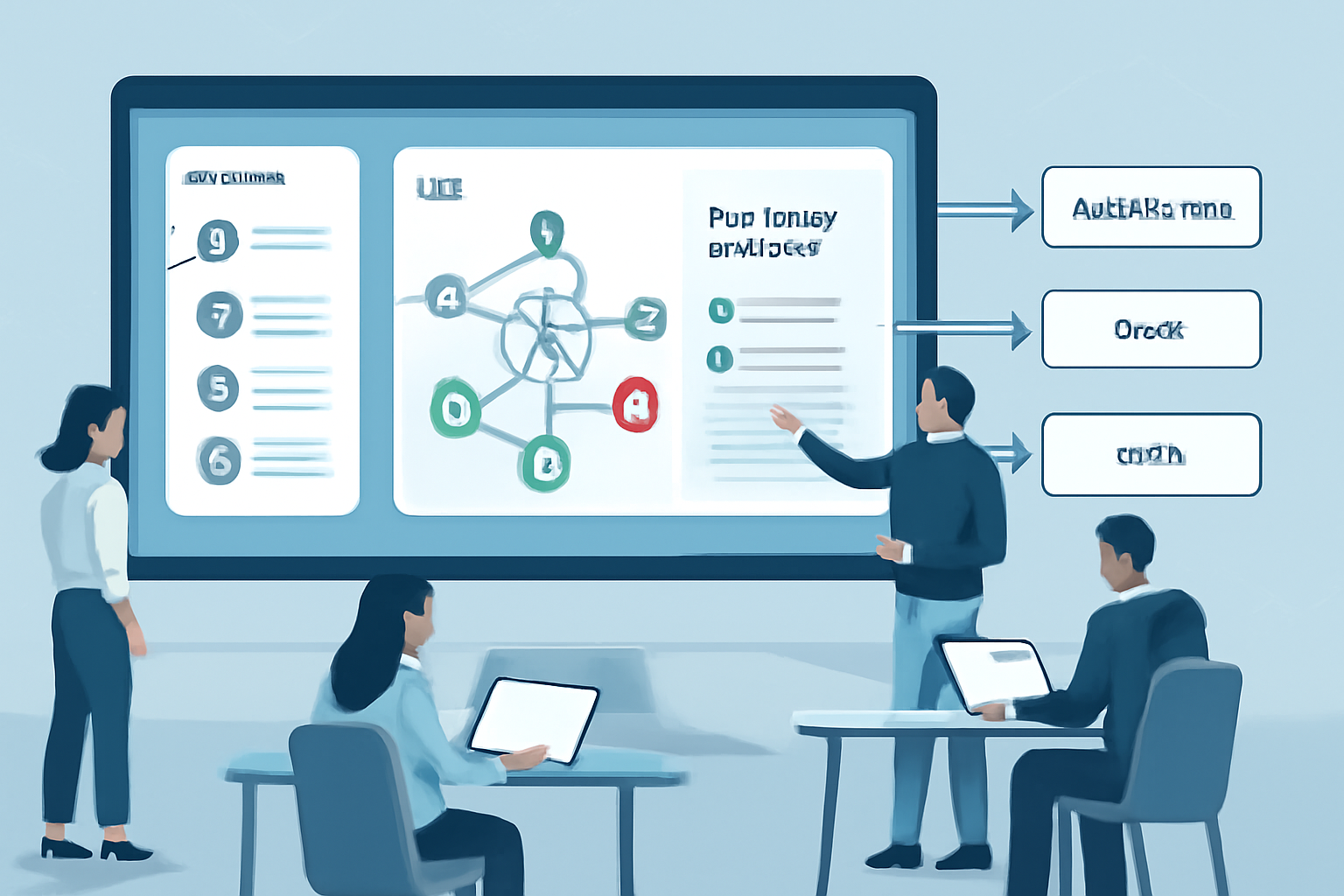
Here’s a repeatable workflow marketing teams can adopt. It assumes an AI social listening tool that automatically generates reports.
1. Capture and filter (0–5 seconds)
Stream mentions from chosen sources. Apply filters for brand terms, campaign hashtags, competitors, product SKUs, and high-risk keywords.
2. AI analysis and prioritization (5–20 seconds)
AI clusters mentions into emerging themes, detects sentiment and intent (complaint, praise, inquiry), scores urgency, and highlights influential authors.
3. Generate marketer-ready strategy (20–30 seconds)
The system compiles an executive summary, recommended actions (e.g., tweak ad creative, escalate to support), suggested audience targets, and content hooks. Exportable templates let you share or route the report immediately.
4. Execute via integrations (30+ seconds)
Push the recommended creative to your ad manager, queue content in your CMS, or create a CRM case for follow-up. Set automated tracking for campaign performance tied to the insight.
Practical templates for instant strategy reports
Use these sections in every report to make them immediately useful:
- Executive summary: One-line signal and recommended priority (urgent/medium/low).
- Top themes: Ranked list with representative mentions.
- Sentiment & intent: Breakdown and examples.
- Audience segments: Who’s talking (demographics, interests, influence level).
- Recommended actions: Short-term fixes, creative tests, targeting updates, and support responses.
- KPIs & tracking: Metrics to monitor and timeframe for expected impact.
- Owner & next steps: Who’s responsible and concrete deadlines.
Integrations that unlock impact
Link social intelligence to these systems to close the loop:
- Ads platforms: Update target audiences or launch creative variants based on emerging themes.
- Content & CMS: Queue blog posts or landing page updates for trending questions or pain points.
- CRM & Support: Create or prioritize tickets for customer issues raised on social for timely resolution.
- Analytics & BI: Feed insights into dashboards to correlate mentions with traffic, conversions, and revenue.
Key metrics to measure ROI
Track these indicators to prove value:
- Time-to-insight: Seconds/minutes from mention to actionable report.
- Response & resolution time: For customer issues identified through monitoring.
- Engagement lift: Change in likes, comments, shares after content adjustments.
- Conversion impact: Conversion rate or revenue lift attributable to rapid creative or targeting changes.
- Cost efficiency: Change in cost-per-conversion from optimized ad targeting.
- Sentiment trend: Movement in Net Sentiment for the brand or product over time.
Practical examples
Example 1 — eCommerce brand: An AI alert surfaces a spike in negative mentions about a delivery issue. Within 30 seconds, the marketing team gets a strategy report recommending a supportive post, a dedicated FAQ landing page, and a temporary ad pause for the affected region. CRM tickets are auto-created for impacted customers. Result: faster remediation and fewer escalations.
Example 2 — B2B startup: Social listening detects growing conversations around a competitor’s feature gap. The AI report suggests a content series highlighting your complementary capability and a LinkedIn sponsored campaign targeting the competitor’s followers. The team launches the campaign within hours and captures qualified leads.
Implementation tips for teams and agencies
- Start with a narrow scope: monitor high-priority products or campaigns to train the AI and prove value.
- Define SLAs: set response and execution timelines tied to the urgency score from the tool.
- Map integrations early: know which ad accounts, CMS endpoints, and CRM fields will receive the data.
- Train stakeholders: ensure content, paid, and support teams understand report formats and actions.
- Audit regularly: review AI classifications and tweak keywords to reduce false positives.
FAQs
How accurate are AI-generated strategy reports?
Accuracy depends on data coverage and model tuning. Most tools provide useful summaries quickly, but teams should validate AI recommendations initially and refine rules or training data over time.
Can social listening tools connect to ad platforms and CRMs?
Yes. The most impactful solutions provide integrations or APIs to push audiences, content suggestions, and tickets directly into ad managers, CMSs, and CRMs for rapid execution.
Will this replace human strategists?
No. AI speeds up synthesis and prioritization, but human judgment is essential for creative decisions, brand voice, escalation, and nuanced strategy.
What platforms should I monitor?
Start with core networks where your audience is active: major social platforms, review sites, forums, and relevant news sources. Expand as you validate impact.
Conclusion
AI social listening tools that turn live mentions into strategy reports in seconds change how teams respond to market signals. By choosing the right capabilities, implementing a clear workflow, connecting integrations, and tracking core metrics, businesses can move from reactive monitoring to proactive marketing that drives measurable outcomes.
Ready to implement AI social listening for your brand or clients? The Next Zeros helps marketing teams and agencies evaluate tools, set up integrations, design report templates, and run pilot programs that prove ROI quickly. Contact our team to get started.