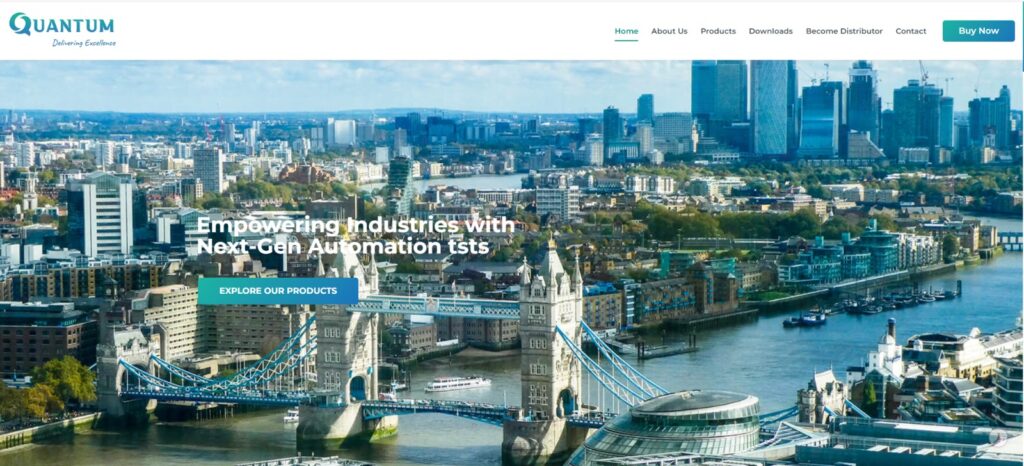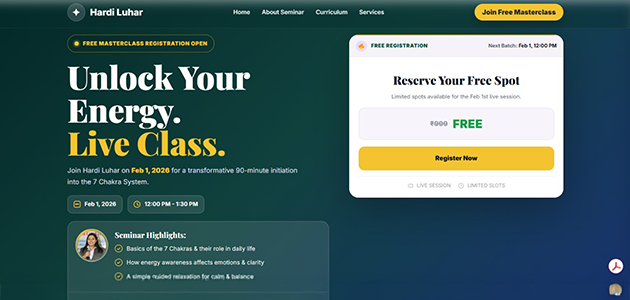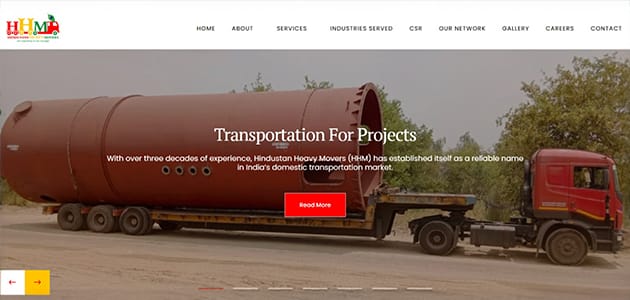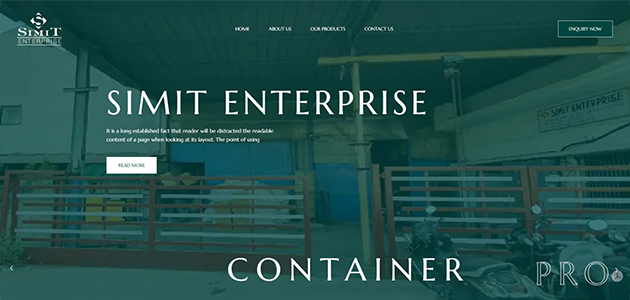

Your website is your brand’s first handshake and you only get one shot at it. At The Next Zero, we build websites that don’t just look good, they work for you.

Your website should do more than represent your business online. It should load quickly, work smoothly across devices, explain your services clearly, support your marketing, and make it easy for potential customers to take action.
The Next Zeros is a website development company in India helping businesses build responsive, SEO-ready and performance-focused websites around their goals.
From business websites and WordPress development to e-commerce stores, landing pages and custom web solutions, we focus on building digital experiences that are practical, scalable and ready to support future growth.
Every business needs something different from its website.
A service company may need strong lead-generation pages. An e-commerce brand may need product discovery and a smooth checkout experience. A startup may require a flexible website that can evolve as the product grows.
Our website development services in India begin by understanding what the website needs to achieve before deciding how it should be built.
We consider:
The result is a website built around a clear purpose instead of unnecessary features.
A visually attractive website can still underperform if the technical foundation is weak.
Slow loading, poor mobile usability, confusing navigation or difficult enquiry paths can reduce the value of traffic coming from SEO, Google Ads, social media and referrals.
A professionally developed website should support the complete customer journey.
It should help users:
Good development connects design, functionality, performance and marketing into one digital foundation.
Every business has different requirements.
Our custom website development approach focuses on creating a website structure, functionality and user journey around your specific business instead of forcing the project into an unsuitable format.
Custom development can be useful when you need:
The objective is to create a website that supports how your business actually operates.
WordPress is suitable for many service businesses, content-driven websites and companies that want a flexible content management system.
Our WordPress development work can include:
We focus on keeping the website manageable without creating unnecessary technical complexity.
An e-commerce website must do more than display products.
Customers need to discover products, understand details, trust the store, move through checkout smoothly and complete transactions without unnecessary friction.
Our e-commerce website development can include:
Depending on the project, development may use platforms such as WooCommerce, Shopify or another suitable solution.
A marketing campaign is only as strong as the page users reach after clicking.
We develop landing pages for:
Landing pages are structured around one clear objective so visitors can understand the offer and take action without distraction.
Some businesses require functionality beyond a standard marketing website.
Depending on requirements, web application development can support solutions such as:
The development approach should be based on actual functionality and future scalability rather than adding complexity unnecessarily.
Launching the website is not the end of the development process.
Websites need ongoing attention to remain secure, functional and up to date.
Website support can include:
Regular maintenance can help prevent small technical issues from becoming larger business problems.
SEO should not be considered only after a website is completed.
Many important search foundations are connected directly to development.
Our SEO-aware website development approach can consider:
A good technical foundation can make future SEO work easier and reduce avoidable problems after launch.
A website should provide a clear experience across mobile phones, tablets and desktops.
Responsive website development involves more than shrinking the desktop design.
We consider:
The goal is to make important information and actions easy to access regardless of device.
Visitors expect websites to respond quickly.
Heavy images, unnecessary scripts, poor hosting configuration and excessive plugins can make pages feel slow and difficult to use.
Depending on the website, performance improvement may involve:
Performance should be treated as part of website quality rather than an afterthought.
There is no single platform that is right for every website.
The technology should depend on factors such as required functionality, content management, integrations, scalability, budget and future maintenance.
Depending on project requirements, development can involve technologies and platforms such as:
The technology choice should solve the business requirement rather than being selected only because it is popular.
We begin by understanding:
This helps establish a clear scope before development begins.
Before development, we plan the website architecture.
This can include:
Planning reduces unnecessary redevelopment later.
Once the structure is clear, approved designs are translated into responsive website layouts.
The implementation should preserve visual consistency while making the website practical across different devices.
We build the required functionality and connect necessary systems.
Depending on the project, this may include:
Before launch, important website functions should be reviewed across browsers and devices.
Testing can cover:
After approval, the website is prepared for launch.
This can include:
Post-launch support can then address technical issues or future improvements as required.
Small businesses usually need clarity, credibility and easy enquiry paths.
A practical small-business website may focus on:
Startup websites need to communicate a new product or solution quickly.
Development can support:
B2B websites often need to explain complex services and support longer buying journeys.
Important sections can include:
E-commerce websites need strong product discovery and purchasing journeys.
Development priorities can include:
Healthcare websites often need clear information, trust and easy appointment paths.
Relevant features can include:
Education websites may need to support students and parents researching:
Your website is often one of the first places potential customers evaluate your business.
A clear and professional website can make your services easier to understand and your brand easier to trust.
SEO, paid advertising and social media all perform better when traffic reaches a website that is fast, relevant and easy to use.
Clear messaging, strategic CTAs and simple forms can create a better path from visitor to enquiry.
A website should be able to evolve as your business adds new services, products, content or functionality.
Social platforms can change, but your website remains a digital asset that your business controls.
Choosing a website development company in India should involve more than comparing prices or portfolios.
Look for a development partner that understands both the technical and business sides of the project.
The company should understand what the website is expected to achieve before suggesting technology.
The website should provide a usable experience across modern screen sizes and devices.
Development decisions should consider page speed and overall website efficiency.
The team should understand how website structure can affect crawling, indexing and future SEO work.
The website should be able to accommodate reasonable future expansion.
You should understand project scope, responsibilities and key stages.
There should be clarity around what happens after the website goes live.
The Next Zeros approaches website development as part of the wider digital growth system.
A website is not isolated from SEO, advertising, content or conversion.
Our approach brings these areas together.
We begin with the purpose of the website rather than choosing technology first.
Technical search foundations are considered during development rather than being left entirely for later.
Website journeys are planned around the actions visitors should take.
Pages are built to work across desktop, tablet and mobile devices.
Our wider work across SEO, performance marketing, content and digital strategy helps us consider what happens after the website launches.
The objective is a website that is practical to maintain and capable of supporting future marketing activity.
Businesses across India increasingly depend on their websites for customer acquisition, information, sales and credibility.
Our website development services can support businesses targeting:
The development strategy should depend on the business model rather than the city alone.
A local service business may need strong location relevance and enquiry paths.
A pan-India company may need a larger service architecture.
An e-commerce brand may require scalable categories and transactional functionality.
A B2B company may need detailed capability pages and stronger lead-generation pathways.
Depending on project scope, website development can include:
The final scope should always be based on your specific project requirements.
Your website should not become the weak point between your marketing and your customers.
If you need a new business website, e-commerce store, landing page or custom web solution, The Next Zeros can help you plan the structure, functionality and technical foundation around your actual business requirements.
Start with a clear discussion about what your website needs to accomplish.

A website development company builds the technical structure and functionality behind a website. This can include front-end development, CMS setup, back-end functionality, forms, integrations, e-commerce features, responsive development, performance optimisation and deployment. The exact scope depends on what the business needs the website to accomplish.
Website design focuses mainly on visual appearance, layout and user experience. Website development turns that design into a functioning website through code, CMS configuration, integrations and technical implementation. Both disciplines work together to create a complete website.
There is no single best platform for every business. WordPress may work well for content and service websites, Shopify or WooCommerce may suit e-commerce businesses, while custom applications may require a different technology stack. The decision should follow the functionality and maintenance requirements.
Yes. Custom website development can be used when a business requires unique functionality, page structures, workflows or integrations that cannot be handled effectively through a standard setup. The development scope depends on the project’s specific requirements.
Yes. Important technical SEO foundations such as logical page structure, crawlable navigation, heading hierarchy, mobile usability, performance, sitemaps and other technical elements can be considered during development. Ongoing SEO remains a separate long-term process.
Yes. E-commerce development can include product and category architecture, checkout, payment integrations, mobile optimisation, inventory-related functionality and other store requirements. The platform should be chosen according to the business model and technical needs.